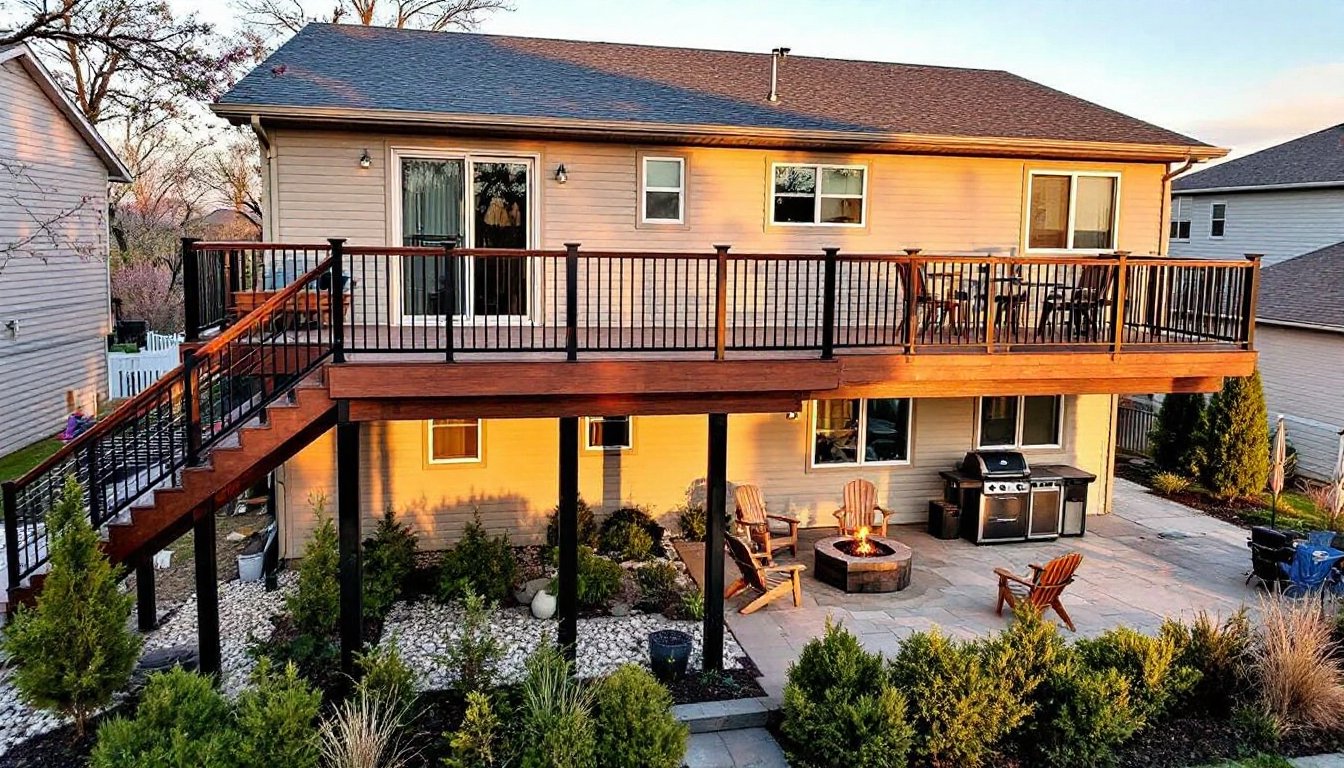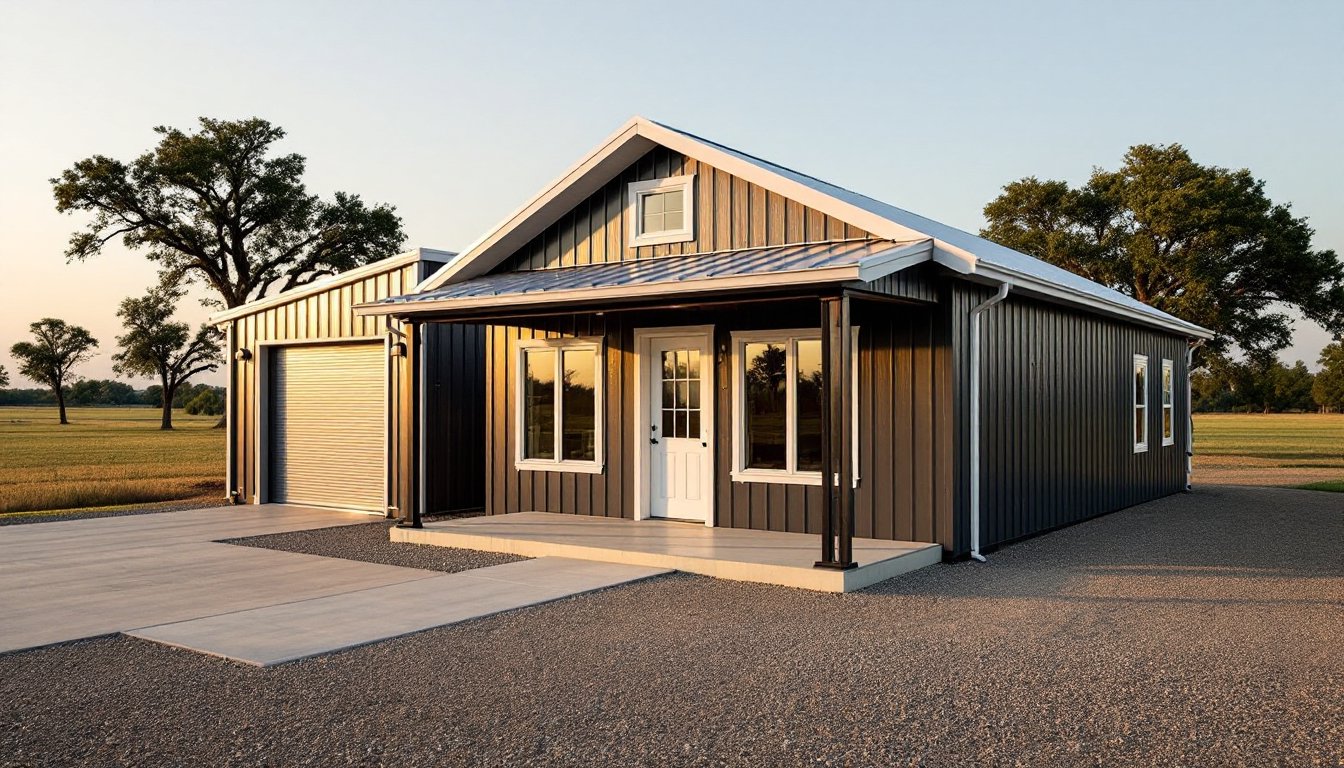

Adding square footage doesn’t always mean a full-scale addition. Bump outs, small extensions typically ranging from 2 to 4 feet beyond the existing exterior wall, offer a practical way to expand cramped rooms without the cost, complexity, or permitting headaches of major construction. They’re especially valuable in small homes where every inch counts, transforming tight kitchens, narrow bathrooms, and undersized living spaces into functional, comfortable areas. Whether it’s gaining counter space, fitting a double vanity, or creating a cozy reading nook, bump outs deliver big impact in modest footprints.
Table of Contents
ToggleKey Takeaways
- Bump out room additions extend exterior walls by 2–4 feet, adding 30–50% less cost than full additions while perfectly solving space constraints in small homes.
- Kitchen bump outs enable deeper base cabinets, proper ventilation hoods, and breakfast bars, transforming galley kitchens into functional workspaces that meet building codes.
- Bathroom bump outs accommodate double vanities, standard tubs with separate showers, and ADA-compliant fixture placement, significantly improving comfort and resale value.
- Most bump outs require building permits, engineered plans, and a structural engineer consultation ($500–$1,200), with permit review typically taking 2–6 weeks.
- DIY bump out projects range from $8,000–$15,000 for materials and permits, while contractor-built options cost $15,000–$30,000 depending on size and regional labor rates.
- Careful attention to roofing integration, waterproofing, flooring continuity, and electrical/plumbing compliance ensures bump outs deliver lasting functionality without leaks or code violations.
What Are Bump Outs and Why They’re Perfect for Small Homes
A bump out is a small addition that extends one or more exterior walls outward, typically 2 to 4 feet. Unlike full room additions that require new foundation work, many bump outs are cantilevered, they project from the existing structure using engineered floor joists or beams to support the extended floor. This approach saves on foundation costs and simplifies permitting in some jurisdictions.
Bump outs work best for small homes because they add targeted square footage exactly where it’s needed. A 3-foot extension along a 10-foot wall adds 30 square feet, enough for a pantry, a shower bench, or additional counter depth. They preserve yard space, minimize disruption to existing rooms, and often cost 30-50% less than comparable full additions.
Most bump outs fall into two structural categories: cantilevered (supported by existing floor joists extended outward) or ground-supported (requiring a small foundation or footer). Cantilevered bump outs work for single-story homes or second-floor extensions: ground-supported versions suit heavier loads or larger projections. Both typically require permits and engineered drawings to meet local building codes, check with your jurisdiction before planning.
Kitchen Bump Out Ideas to Maximize Storage and Workspace
Kitchens benefit enormously from even minimal bump outs. A 3-foot extension along the sink wall creates room for deeper base cabinets (24 inches instead of the standard 12-15 inches in tight layouts), adding drawer storage for pots, appliances, or pantry goods. This setup also allows homeowners to install a standard-depth countertop with overhang for bar seating, a feature impossible in galley kitchens with narrow footprints.
Another popular option: bumping out the range or cooktop wall to accommodate a proper ventilation hood and additional counter prep space on either side. Building codes (IRC) recommend at least 12-18 inches of landing area next to cooking surfaces: a bump out makes compliance easy while improving workflow.
For homes with exterior kitchen walls facing the backyard, a 4-foot bump out can house a breakfast bar or peninsula with seating for two or three. Pair it with windows on three sides to flood the space with natural light. Frame the bump out with 2×6 or 2×8 studs to accommodate insulation (minimum R-13 for walls in most climate zones) and exterior sheathing.
Material considerations: Use pressure-treated lumber for any framing in contact with masonry or near grade. Match exterior siding to the existing home (vinyl, fiber cement, or wood) to maintain curb appeal. For roofing, extend the existing roof pitch or install a shallow-slope roof (minimum 2:12 pitch) with appropriate waterproofing membranes like ice-and-water shield.
Bathroom Bump Outs for Added Comfort and Functionality
Bathrooms frequently top the list for bump out projects. A cramped 5×8-foot bath can feel spacious with a 2-foot extension along the tub or vanity wall. This extra depth allows for a standard 60-inch tub with a separate shower enclosure, or enough room to upgrade from a pedestal sink to a double vanity with drawers, essential storage in small homes.
For master baths, a 3-foot bump out accommodates a freestanding soaking tub positioned in front of a picture window, transforming a utilitarian space into a retreat. Ensure the floor framing can handle the added weight: a full tub plus water and occupant can exceed 1,000 pounds. Reinforce joists with doubled 2×10 or 2×12 lumber, or consult a structural engineer.
Another practical use: extending the toilet alcove by 18-24 inches to meet ADA clearance guidelines (minimum 30×48-inch clear floor space in front of fixtures). This improves accessibility and resale value without requiring a full bath remodel. Many small space living ideas emphasize smart fixture placement to maximize function in tight footprints.
Plumbing and electrical: Bump outs often require rerouting supply lines, drains, or vent stacks. PEX tubing simplifies supply runs: use Schedule 40 PVC or ABS for drains (check local code). Install GFCI outlets within 3 feet of water sources per NEC requirements. If adding a window in the shower area, use tempered glass and maintain minimum sill height (usually 60 inches above the tub deck).
Living Room and Bedroom Bump Out Designs
Living rooms and bedrooms gain measurable comfort from modest bump outs. A 3×8-foot extension along a bedroom’s exterior wall creates space for a king-size bed (76×80 inches) with nightstands on both sides, a layout impossible in many older homes with 10-foot-wide bedrooms. The bump out also allows for deeper closets or a built-in window seat with storage below.
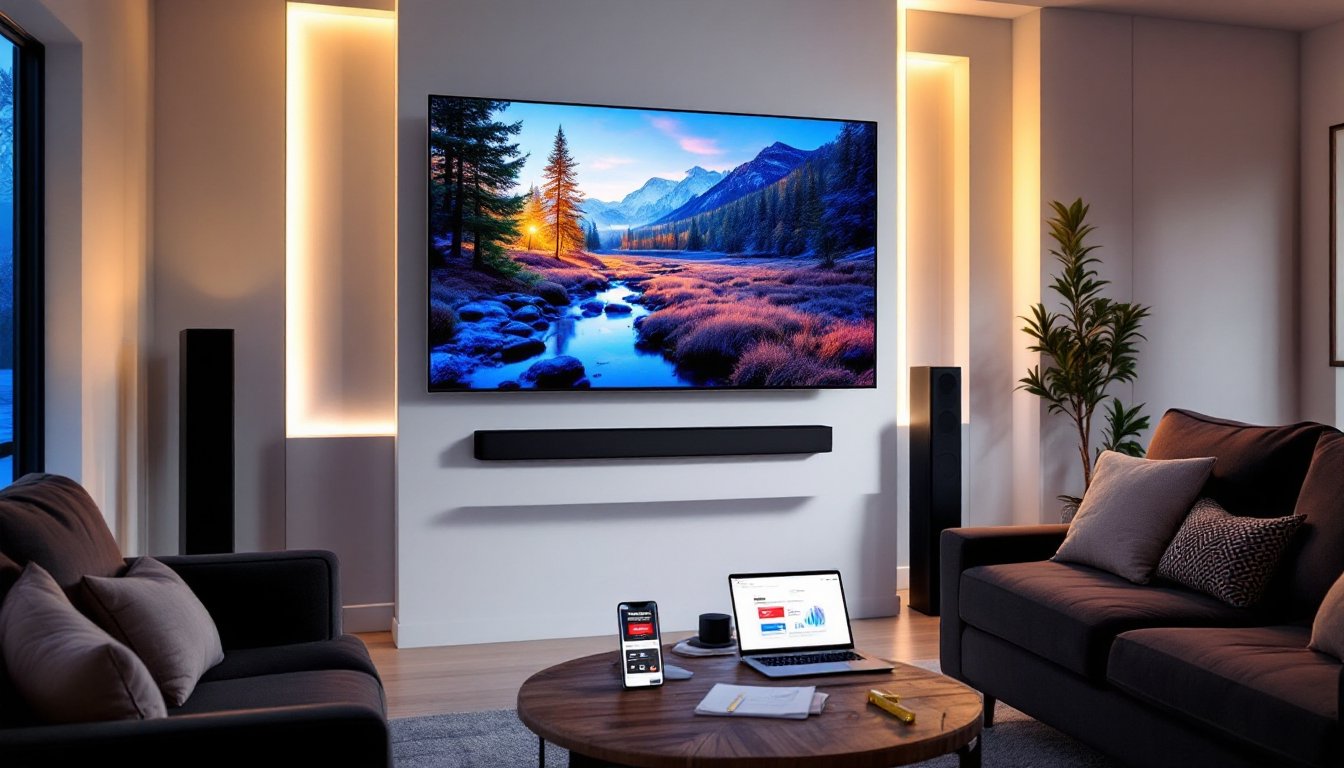
In living rooms, bump outs often serve as media alcoves or display niches. A 2-foot-deep, 6-foot-wide bump houses a wall-mounted TV with built-in shelving for components and décor, freeing up floor space and reducing visual clutter. Frame the alcove with 2×4 studs on 16-inch centers: add blocking between studs to support heavy shelving or TV mounts (use 3/4-inch plywood backing for mounting surfaces).
For homes in temperate climates, a bump out with floor-to-ceiling windows on three sides creates a sunroom effect without the cost of a full addition. Use low-E double-pane glass (minimum U-factor 0.30) to manage heat gain and loss. Install operable windows on at least two walls for cross-ventilation.
Flooring continuity: Match existing flooring materials to avoid visual breaks. If the main room has 3/4-inch solid hardwood, extend the same species and finish into the bump out. For engineered flooring or laminate, ensure the subfloor is level (within 3/16 inch over 10 feet) and install appropriate underlayment.
Bay Windows and Breakfast Nooks: Charming Bump Out Options
Bay windows and bow windows are classic bump out designs that add architectural interest and interior space. A bay window typically projects 12-18 inches and features three panes (one center, two angled sides at 30 or 45 degrees). A bow window uses four to six panes in a gentle curve, projecting 18-24 inches. Both create cozy window seats or display areas for plants.
Installing a bay or bow window involves cutting through an exterior wall and building a cantilevered platform supported by brackets or knee braces anchored to the existing framing. Use engineered brackets rated for the window’s weight plus snow load (check local building codes for load requirements). Seal the roof joint with step flashing and roofing cement to prevent leaks.
For kitchens or dining areas, a breakfast nook bump out combines a bay window with built-in bench seating. A 4×4-foot or 4×6-foot bump out provides room for a small table and seating for four. Build the benches with 2×4 framing and 3/4-inch plywood: add hinged seats for hidden storage. Use cushions with removable covers for easy cleaning.
Window specifications: Choose vinyl, fiberglass, or clad-wood frames for durability and low maintenance. Ensure the window unit meets Energy Star requirements for your climate zone. For breakfast nooks, consider casement or awning windows on the sides for ventilation while dining.
Planning Your Bump Out: Permits, Costs, and Considerations
Bump outs almost always require building permits, even for small extensions. Jurisdictions classify them as structural alterations because they involve cutting into exterior walls, modifying rooflines, and potentially affecting foundation and load-bearing elements. Expect to submit engineered plans showing framing details, foundation support, and how the bump out ties into existing structure.
Permit review typically takes 2-6 weeks depending on the municipality. Inspections occur at key stages: foundation or footing, framing, insulation, and final. Skipping permits risks fines, difficulty selling the home, and liability if structural issues arise. Some home renovation cost guides estimate permit fees at $500-$1,500 for small bump outs, though this varies widely by location.
Cost expectations: DIY bump outs range from $8,000-$15,000 for simple cantilevered designs (materials, permits, subcontracted electrical/plumbing). Contractor-built bump outs run $15,000-$30,000 depending on size, finishes, and regional labor rates. Ground-supported bump outs requiring foundation work cost 20-40% more. Prices as of 2026 reflect ongoing material cost volatility: lumber, windows, and siding fluctuate with market conditions.
Structural considerations: Hire a structural engineer ($500-$1,200) to design floor joist extensions, beam sizing, and attachment details. Most cantilevered bump outs use doubled or tripled 2×10 or 2×12 joists extending 24-36 inches beyond the existing wall, with blocking and metal joist hangers for support. For ground support, pour a frost-protected footer (depth per local frost line, typically 12-48 inches) or use helical piers.
Roofing integration: Extending the existing roof pitch provides the cleanest look but may require re-roofing a section to blend shingles. Alternatively, install a shed roof at a shallower pitch (3:12 or 4:12) tied into the main roof with step flashing. Use ice-and-water shield at all valleys and wall intersections. For flat-roof bump outs, use EPDM or TPO membrane with proper drainage slope (minimum 1/4 inch per foot).
DIY vs. professional: Experienced DIYers can handle framing, siding, and trim, but electrical and plumbing work often requires licensed professionals (check local laws). Cutting into existing walls and roof valleys is unforgiving, mistakes lead to leaks, structural sag, or code violations. If you’re uncertain about any phase, consult a contractor. Many DIY project guides recommend hiring pros for foundation work, structural tie-ins, and final inspections to ensure code compliance.
Conclusion
Bump outs deliver impressive functional gains for small homes without the scale or expense of full additions. By targeting specific rooms, kitchens, baths, bedrooms, or living areas, they solve layout challenges and improve daily living. Proper planning, engineered design, and code compliance are non-negotiable, but the results transform cramped spaces into comfortable, usable rooms that add lasting value.