
Small cottage homes have captured the imagination of homeowners looking to downsize, simplify, or build a cozy retreat. These compact dwellings blend old-world charm with modern efficiency, offering a practical alternative to sprawling suburban homes. Whether you’re considering building, buying, or renovating a cottage, understanding the design, costs, and zoning requirements will help you make informed decisions. This guide covers everything from architectural features to hands-on DIY projects that enhance functionality and character.
Table of Contents
ToggleKey Takeaways
- Small cottage homes typically range from 400 to 1,200 square feet and combine old-world charm with modern efficiency, offering an affordable alternative to conventional homes at $150–$250 per square foot.
- Cottage homes are growing in popularity due to lower construction and utility costs, with a well-insulated cottage costing only $60–$120 monthly to heat and cool in temperate climates.
- Zoning regulations present the biggest challenge for small cottage construction, as many municipalities enforce minimum square footage requirements that may prohibit sub-800-square-foot homes as primary residences.
- Key design features of small cottage homes include steep-pitched roofs, dormer windows, open floor plans, and built-in storage solutions that maximize functionality in compact spaces.
- DIY projects like window seats, board-and-batten accents, open shelving, and shiplap installation can enhance cottage character and livability without requiring permits or professional contractors.
- Building a small cottage typically costs $60,000–$120,000 with DIY-assisted finishes, while buying an existing cottage ranges from $100,000–$250,000 depending on location and condition.
What Are Small Cottage Homes?
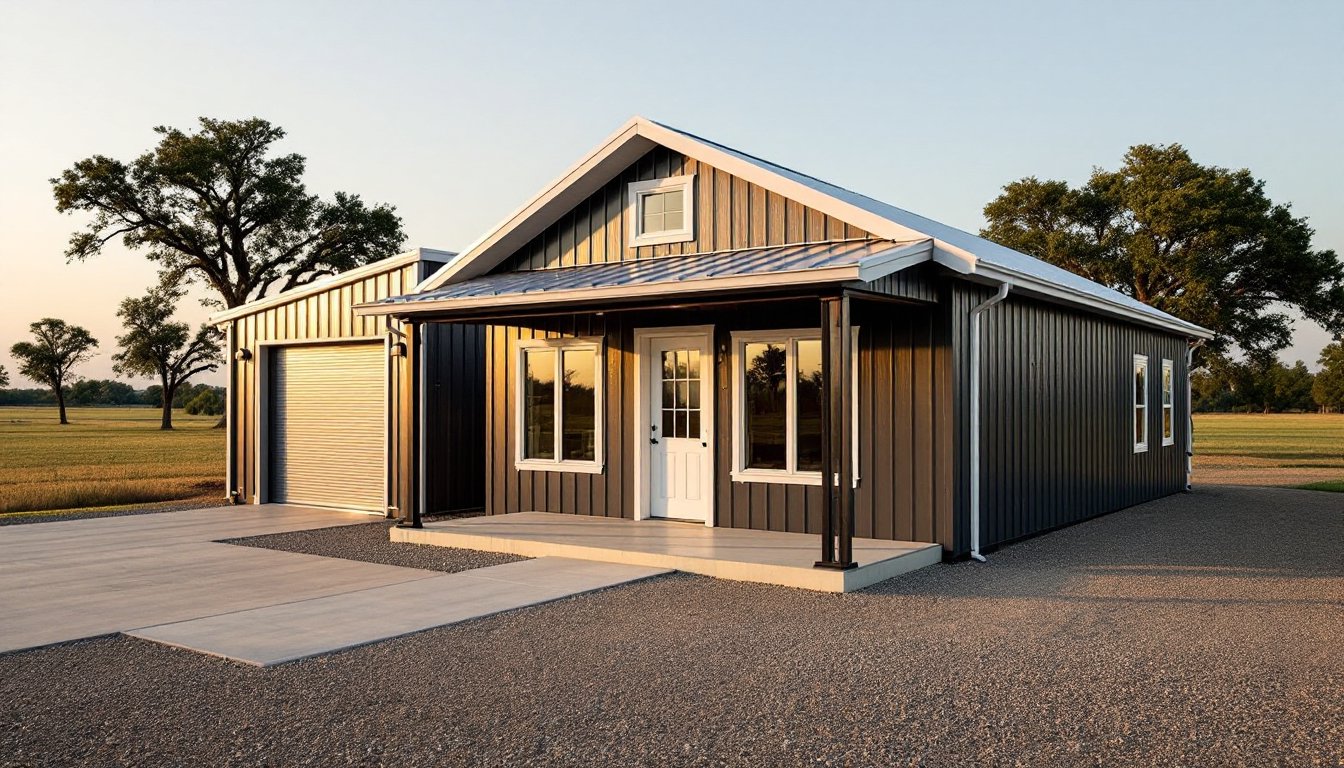
A small cottage home typically ranges from 400 to 1,200 square feet and emphasizes efficient use of space, informal charm, and cozy architectural details. Unlike modern minimalist tiny homes, cottages lean into decorative elements, steep gabled roofs, casement windows, board-and-batten siding, and inviting front porches.
Structurally, most cottages are built on permanent foundations using traditional 2×4 or 2×6 stud framing, though some newer designs incorporate SIPs (structural insulated panels) for better energy performance. The footprint is compact, but good design maximizes livability through open floor plans, built-ins, and multi-functional spaces.
Cottages differ from accessory dwelling units (ADUs) in that they’re often standalone primary residences, not secondary structures. They also differ from manufactured homes by being site-built and customizable to local building codes and personal taste. Expect ceiling heights of 8 to 9 feet in main living areas, with vaulted ceilings in lofted bedrooms where space allows.
Why Small Cottage Homes Are Growing in Popularity
The cottage revival is driven by affordability, sustainability, and lifestyle shifts. Construction costs for small cottages average $150 to $250 per square foot depending on region and finishes, making a 600-square-foot cottage significantly cheaper than a conventional 2,000-square-foot home.
Lower square footage also means reduced utility bills. A well-insulated cottage with R-19 wall insulation and R-38 attic insulation can cost $60 to $120 monthly to heat and cool in temperate climates. Smaller homes generate less waste during construction and require fewer materials, an 800-square-foot build might use 6,000 board feet of lumber compared to 18,000 for a standard home.
Telecommuting has made location flexibility a priority. Cottages work well as remote workspaces, vacation retreats, or primary homes in lower-cost rural areas. And for aging homeowners, single-story cottage layouts eliminate stairs and simplify maintenance. Many find apartment-sized living strategies translate well to cottage interiors, especially for storage and furniture selection.
Key Design Features of Small Cottage Homes
Cottage architecture relies on specific details to create charm and function in a small footprint. Common exterior features include:
- Steep-pitched roofs (often 8:12 or 10:12 pitch) with exposed rafter tails or decorative brackets
- Dormer windows that add headroom and light to upper floors or lofts
- Vertical siding such as board-and-batten, shiplap, or cedar shakes
- Multi-pane or divided-light windows (6-over-6 or 9-over-9 configurations)
- Covered front porches with simple post-and-beam construction
Interior layouts prioritize openness. Many cottages use a great room approach, combining kitchen, dining, and living areas into one flowing space. Partition walls are minimized: instead, half-walls, open shelving, or furniture placement defines zones.
Built-in storage is critical. Window seats with lift-top storage, under-stair drawers, and floor-to-ceiling cabinetry make use of every inch. Pocket doors save swing space in tight hallways and bathrooms.
For lofted sleeping areas, code-compliant stairs or ship’s ladders are required if the loft exceeds 70 square feet or serves as a primary bedroom (check your jurisdiction’s IRC amendments). Headroom must be at least 6 feet 8 inches over stairs and in habitable spaces.
Interior Design Tips for Maximizing Space
Making a cottage feel open and functional requires intentional design choices:
Light and color: Use light-colored paint (whites, soft grays, pale blues) on walls and ceilings to reflect natural light. Matte or eggshell finishes hide imperfections better than high-gloss in older cottages.
Furniture scale: Choose pieces proportional to the room. A 72-inch sofa works better than a sectional in a 12×14-foot living room. Leggy furniture (sofas and chairs on visible legs) creates a sense of openness compared to skirted pieces.
Vertical storage: Install open shelving or tall bookcases to draw the eye upward. In kitchens, upper cabinets that reach the ceiling (using a step stool for top shelves) add storage without eating floor space.
Multi-function furniture: A dining table that doubles as a workspace, or a murphy bed in a guest room, increases flexibility. Avoid clutter: every item should earn its square footage.
Mirrors and glass: A large mirror on one wall can visually double a room’s size. Glass-front cabinet doors in kitchens lighten the look compared to solid wood. Many of these design strategies for cottage interiors rely on balancing coziness with openness.
Cost Considerations: Building vs. Buying a Small Cottage
Building a small cottage gives you control over layout, materials, and finishes, but requires time and upfront capital. Expect these cost ranges (2026 averages, U.S.):
- Foundation: $6,000–$12,000 for a slab-on-grade or crawl space (400–800 sq ft)
- Framing and shell: $20,000–$40,000 including lumber, sheathing, windows, and roofing
- Mechanical systems: $8,000–$15,000 for basic HVAC, plumbing, and electrical (code-compliant rough-in)
- Interior finishes: $15,000–$35,000 for drywall, flooring, cabinetry, paint, and trim
Total DIY-assisted builds can run $60,000 to $120,000 if you handle demolition, painting, and finish carpentry yourself. Hiring a general contractor adds 15–25% to the budget.
Buying an existing cottage can be faster but limits customization. In rural or vacation markets, small cottages list for $100,000 to $250,000 depending on location, age, and condition. Expect to budget another 10–20% for deferred maintenance, older cottages often need roof replacements (asphalt shingles last 20–25 years), updated wiring to meet NEC standards, or foundation repairs.
Financing can be trickier for homes under 600 square feet: some lenders classify them as non-conforming. Shop for construction loans or portfolio lenders if building. For resale cottages, a standard mortgage works if the home meets minimum square footage requirements in your area.
Permits are required for new builds and most structural renovations. Budget $1,500–$5,000 for permit fees, engineering stamps, and inspections. Unpermitted work can complicate resale and insurance.
Best Locations and Zoning for Small Cottage Homes
Zoning regulations are the biggest hurdle for small cottage construction. Many municipalities enforce minimum square footage requirements, often 800 to 1,000 square feet for single-family homes, making sub-800-square-foot cottages illegal as primary residences.
Where cottages thrive:
- Rural and unincorporated areas with fewer restrictions on dwelling size
- Vacation and resort communities where seasonal cottages are part of the local character
- Progressive cities that have updated codes to allow ADUs, tiny homes, or “cottage court” developments
- Agricultural zones where a small cottage may qualify as a farmworker dwelling or secondary structure
Before purchasing land, verify:
- Minimum dwelling size in the zoning code
- Setback requirements (distance from property lines, often 10–25 feet)
- Utility access (well and septic add $15,000–$30,000 if municipal services aren’t available)
- Flood zone status (FEMA maps: cottages in flood zones need elevated foundations)
Some regions have embraced cottage-style living as part of their architectural heritage, making permitting smoother. Others require variances or conditional use permits, which add time and cost. Consult a local builder or zoning attorney before closing on land.
DIY Projects to Enhance Your Small Cottage
Small cottages benefit from targeted upgrades that improve function and character without major construction.
1. Build a window seat with storage
Materials: 3/4-inch plywood, 2×4 framing lumber, piano hinge, finish-grade lumber for the seat top
Tools: Circular saw or miter saw, drill/driver, level, tape measure
Frame a box between two walls or beneath a window, using 2x4s secured to wall studs. Top with a hinged plywood lid for access to storage below. Add cushions for seating. This project takes a weekend and costs $150–$300 in materials.
Safety: Wear safety glasses when cutting: use a dust mask if sanding MDF or plywood.
2. Install board-and-batten siding accents
Materials: 1×6 or 1×8 boards (pine or cedar), 1×2 or 1×3 battens, exterior-grade paint or stain, galvanized nails
Tools: Miter saw, nail gun or hammer, level, chalk line
Apply vertical boards over existing siding or sheathing, then cover seams with narrow battens. This adds cottage charm to a plain exterior. A 10×10-foot section costs $200–$400 and takes a day.
Tip: Prime all sides of boards before installation to prevent warping.
3. Add open shelving in the kitchen
Materials: 1×10 or 1×12 solid wood or edge-glued panels, heavy-duty shelf brackets (rated for 50+ lbs), wood screws
Tools: Stud finder, drill, level
Remove upper cabinets and mount brackets into wall studs (typically 16 inches on center). Cut shelves to length and finish with polyurethane or paint. Open shelving costs $100–$250 per wall and opens up sightlines in tight kitchens.
Safety: Ensure brackets are anchored into studs, not just drywall, to prevent collapse.
4. Upgrade to energy-efficient windows
Replacing single-pane windows with double-pane, low-E glass units cuts heat loss by up to 50%. Standard cottage windows (30×48 inches) cost $250–$500 each installed. DIYers comfortable with carpentry can order replacement sash kits and swap them into existing frames, saving labor costs.
Code note: New window installations must meet egress requirements in bedrooms (minimum 5.7 square feet of openable area, 24-inch height, 20-inch width).
5. Install a shiplap accent wall
Materials: 1×6 or 1×8 pine shiplap, finish nails, paint or stain
Tools: Miter saw, nail gun, level
Shiplap adds texture and cottage character to an interior wall. Start at the bottom, level the first board, and work upward. Use a nickel as a spacer between rows for a subtle shadow line. A 10×8-foot wall costs $150–$300 in materials and takes 4–6 hours.
Tip: Acclimate wood indoors for 48 hours before installation to minimize expansion and gaps.
These projects improve livability and resale appeal without requiring permits or professional contractors. Always double-check local codes, especially for structural changes or electrical work.